¡Hablamos Español!

As the year winds down, it is easy to overlook your dental benefits, especially if you have not had any significant issues with your teeth. If you have a “Use-It-or-Lose-It” dental plan, now is the time to ensure that you take full advantage of your coverage. The end of the year brings a rush of patients trying to schedule last-minute appointments, so being proactive now can save you stress later.
Now, let us check how planning helps you stay ahead of the game and maximize your benefits.
“Use-It-or-Lose-It” Policy Explained
Most dental insurance plans have the “Use-It-or-Lose-It” rule. That is to say, you lose your available benefits if you do not use them before the year is out. These benefits usually cover routine services, cleanings, exams, and sometimes even X-rays or fillings.
Remember, you cannot carry over unused “Use-It-or-Lose-It” benefits into the upcoming year. If you do nothing now, you may be giving up coverage you have already paid for.
The Advantages of Scheduling Your Dental Appointments in Advance
One of the biggest advantages of early scheduling is peace of mind. By securing your appointments ahead of time, you avoid the stress of trying to get an appointment during the busy holiday season.
Early scheduling allows you to plan for any necessary treatments or follow-ups. This will enable you to make the most of your coverage and ensure that your dental health does not take a backseat as you finish the year.
Scheduling early also means you are more likely to get a time that works for you. Many people wait until the last minute to book their appointments, leading to a shortage of available slots. Acting now allows you to choose a time that best fits into your busy schedule.
How to Beat the End-of-Year Rush?
The end of the year is indeed a busy time for you and your dental office. As the calendar flips, many people are rushing to use up their benefits, which often means packed schedules and limited availability. In order not to be left out in the rush, here are a few tips:
- Book Your Appointment Now: Call your dentist as soon as possible to secure a spot. The earlier you call, the more choices you will have.
- Consider Weekday Appointments: If possible, go for an appointment on a weekday since weekends are normally the first to get filled. You may also have a better chance of getting an appointment in the early morning or afternoon.
- Schedule Additional Treatments: If the dentist recommends fillings or further cleanings, book them before the end of the year. Booking early gives you ample time in case you need extra procedures.
Staying Ahead of “Use-It-or-Lose-It” Deadlines
The “Use-It-or-Lose-It” deadline is nearing with the end of the year. It is time to get ahead and not let your dental benefits go to waste. Here are a few ways you can utilize your benefits wisely:
- Review Your Coverage: Take some time to review your dental benefits and confirm what services are still available. Many people don’t fully understand all of the treatments their plan covers, so make sure to check and see what you can schedule.
- Make It A Priority: Do not wait until the last minute. Set a reminder for yourself to book your appointment well before December. Many dental offices get busy as the year closes, so the earlier you act, the better.
- Communicate With Your Dentist: Get advice from your dentist regarding coverage and when to schedule. They can help you understand how to make the most of your plan and avoid missing out.
Plan Ahead for Your Dental Care
The best way to avoid losing your benefits is to plan ahead. By scheduling proactively, you will be able to utilize your coverage fully, ensuring that your preventive care is taken care of before time runs out.
It is quite easy to let dental appointments slip through the cracks, especially when life gets busy; however, with a few easy steps now, you can avoid the stress of last-minute rushes and keep your oral health on track.
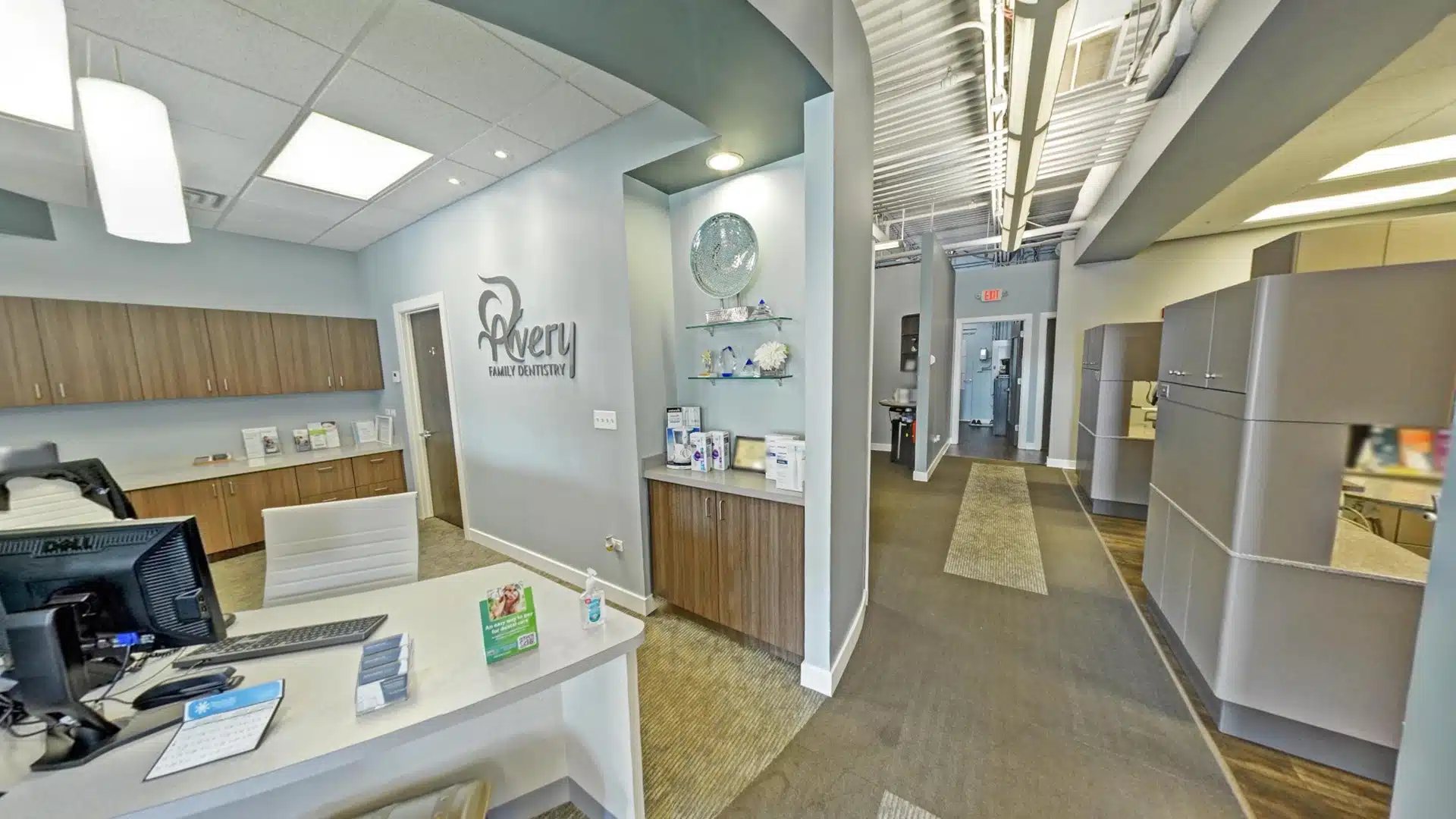
Avoid Last-Minute Stress with Avery Family Dentistry
Here at Avery Family Dentistry, we want to help you keep a healthy smile all year long. Call today to book your appointment and maximize your dental benefits before the year is over!
By making your dental appointments early, you guarantee that you utilize the greatest of your benefits and preserve your smile for the long run. Act early to stay ahead and ensure your benefits work for you.