Dental Implants in Waukegan, IL: Everything You Need to Know Before Restoring Your Smile
If you are looking for dental implants, you may be wondering how the procedure is performed, what you can expect, and why this is the absolute best solution for you. Whether you have lost some or all of your teeth due to injury, decay, or the natural aging process, endosseous implants are the ultimate solution, regardless of your situation.
Dental implants are a modern way to address missing teeth. They are a natural-looking way to provide a long-lasting solution for people currently dealing with missing teeth. Unlike dentures, which may be prone to movement or slipping out of place and require constant maintenance, implants are a long-lasting solution if properly cared for. In this blog, you will go through everything you need to know about getting implants.
What Are Dental Implants?
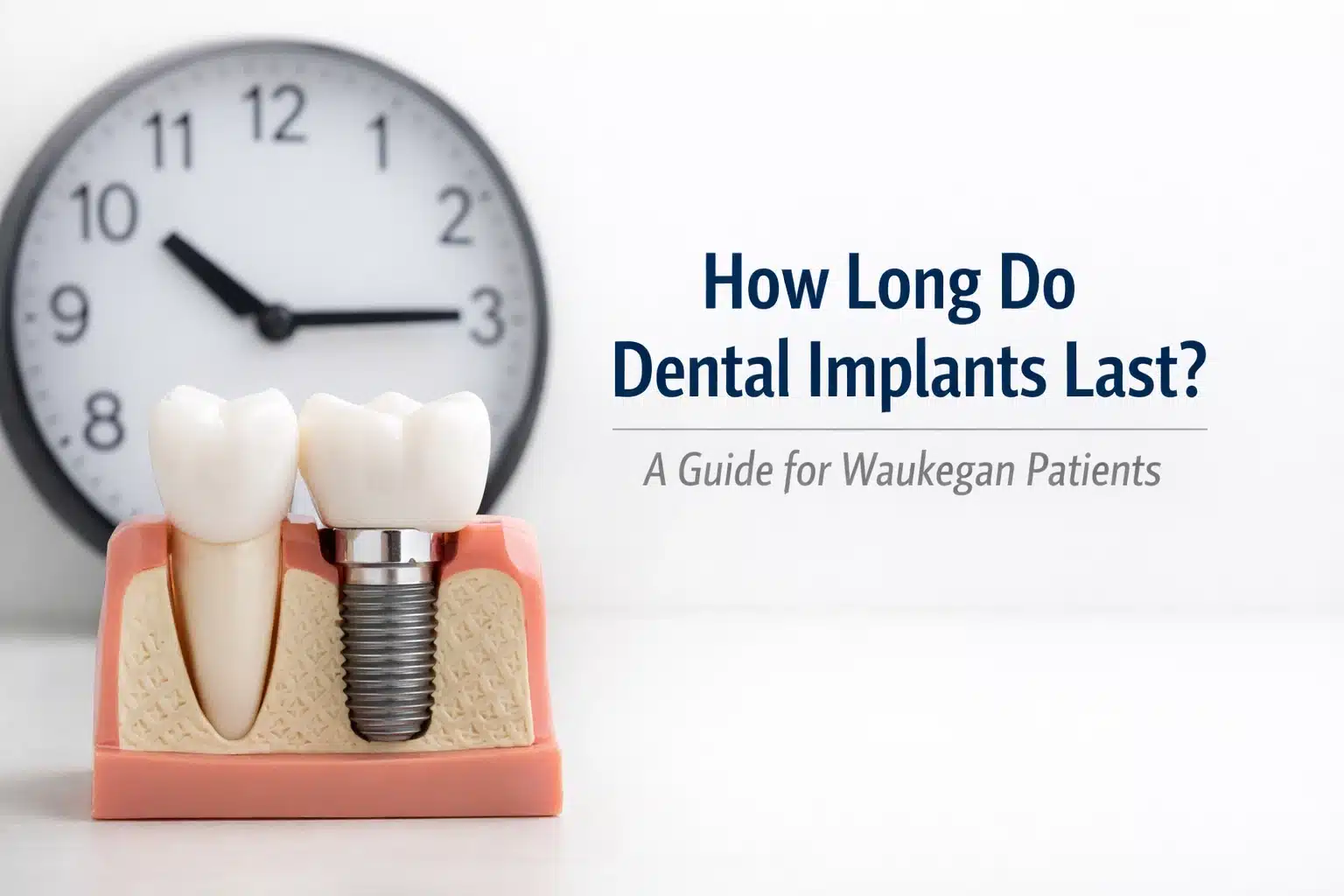
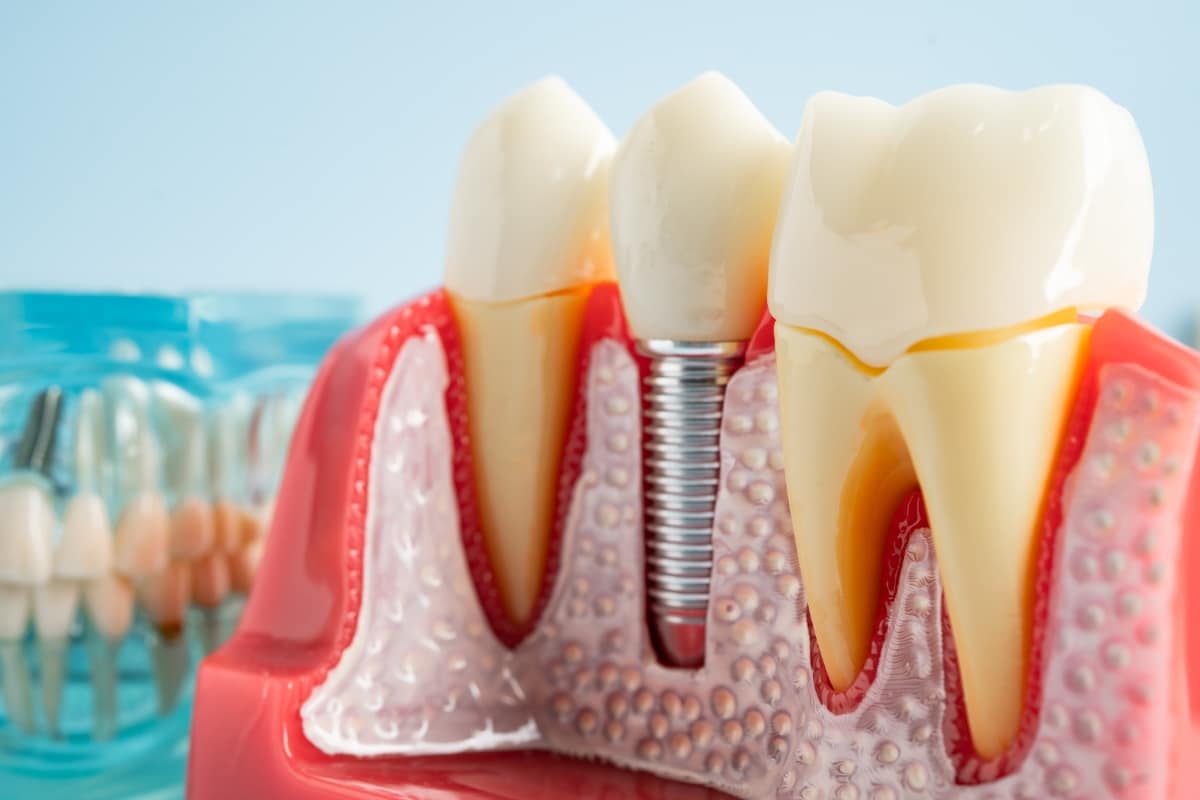
Dental implants or fixtures are titanium posts that are surgically placed into your jawbone to serve as an artificial root for your teeth. They are then attached to your bone through a process called osseointegration. This explains why those who want to replace missing teeth choose implants: they look like natural teeth and are stable.
It is a process that has two stages. They include placing a dental implant in a jawbone. It also includes attaching a crown to a dental implant after it has settled into or merged with a jawbone. Your implant dentist will help you design a plan tailored to your dental needs.
Advantages of Dental Implants
Among the major factors that make people turn to dental implants in Waukegan, IL, is the long-term benefits they offer. These include:
- Permanent Solution: With implants in place, they can last for a whole lifetime with regular dental care. This makes endosseous implants superior to other restoration solutions.
- Natural Appearance and Function: Implants have a natural look and feel so that eating, talking, and smiling are all possible with confidence.
- Enhanced Comfort: Implants are permanently embedded in the jaw and do not have the potential to rub and cause discomfort.
- Bone Maintenance in Your Jaw: When you lose a tooth, your jawbone starts to recede. Implants prevent bone retraction, thus maintaining your jawbone structure.
Dental Implant Procedure: What to Expect?
Dental implant placement is usually done in multiple phases and may take quite some time to complete. Below is a description of the various phases involved in dental implant placement:
1. Consultation and Planning
It all starts with a consultation with your implant dentist at Avery Family Dentistry. During the consultation, your dentist will examine your oral health, take X-rays, and determine your intentions for your new smile. As long as you’re eligible for implants, your implant dentist can create a treatment plan that could potentially involve bone grafting if your jawbone is too thin to support your dental implant.
2. Implant Placement
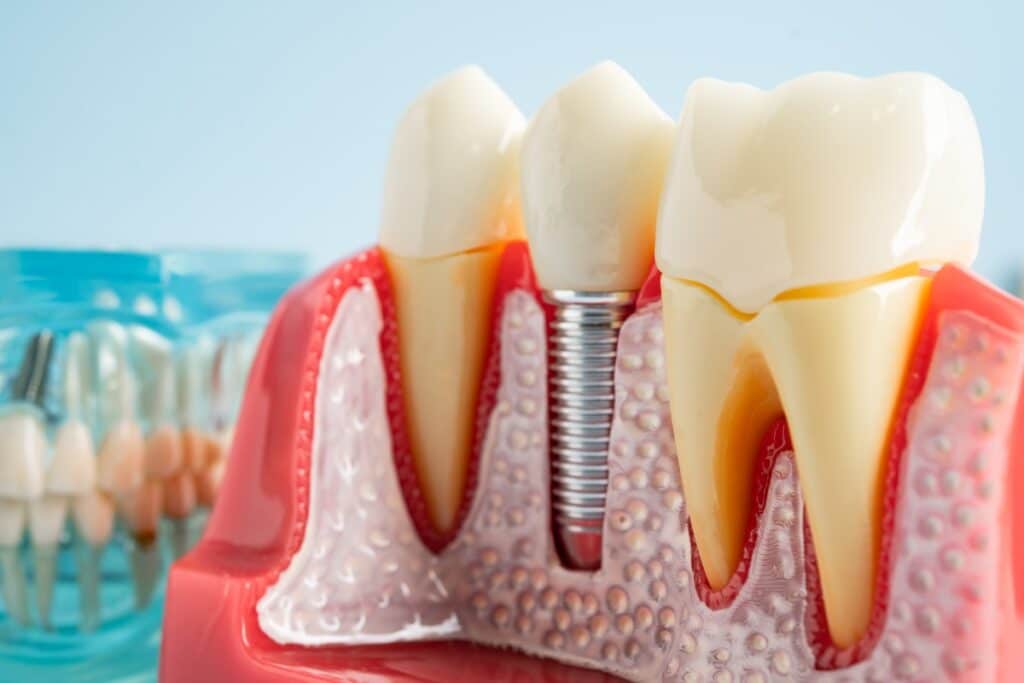
In the surgical phase of the process, your implant dentist will embed a titanium post into your jawbone. This is done under local anesthesia, and it doesn’t take long. Once your dental implant is in place, you’ll need to heal in order to give your jawbone time to attach to the implant. This will take a few months.
3. Abutment Placement & Crown Attachment
Once your implant has fully fused with your bone, your dentist will place an abutment, a small connector that supports your crown. After your gums have healed around it, a custom-designed crown that matches your natural teeth is mounted on top of it.
Are You a Good Candidate for Dental Implants?
Endosseous implants can be a wonderful solution for people seeking a smile makeover. But before you can be considered a good candidate for endosseous implants, a number of things have to be taken into consideration. The following are things your implant dentist will check before deciding whether you should get implants:
- Overall Health: Maintaining good overall health is important for a smooth recovery after surgery. Factors that may hamper the healing process include uncontrolled diabetes or gum disease.
- Healthy Jawbone: It is an essential component for implant integration. In cases where you might have lost bone tissue due to tooth loss or other causes, you need to undergo a bone graft.
- Gum Health: Healthy gum tissue is critical for supporting implants. If your gums are infected or inflamed, your dentist may require treatment before the implants are placed.
- Commitment to Care: Applicants will be expected to maintain proper oral hygiene practices to ensure implant success.
- Age Factors: Implants are usually recommended for adults whose jawbones have stopped growing. This makes it inappropriate for a young individual to undergo the procedure before the jawbone has fully grown.
Aftercare & Maintenance of Dental Implants
It is important to provide adequate aftercare and maintenance to ensure the long-term success of endosseous implants. After the procedure, your dentist will instruct you on how to take care of your new smile to keep it functional and healthy in the years to come. Meanwhile, here are some reminders to keep in mind:
- Follow Post-Surgery Instructions: Do not eat hard or chewy foods for a few days after surgery to give your fixtures time to fully settle into place.
- Practice Good Oral Hygiene: Brush and floss your implants just as you would your natural teeth to prevent plaque buildup. This will help maintain healthy tissue around your implants.
- Avoid Smoking: Smoking may interfere with the healing process post-implant placement, so it is always preferable to quit.
- Visit Your Dentist Regularly: Schedule regular visits to your dentist to monitor the condition of your implants.
- Stay Alert for Any Changes: If you notice any discomfort, swelling, or bleeding, alert your dentist immediately.
Ready to Restore Your Smile?
A life-changing alternative for someone seeking to rejuvenate their smile, endosseous implants help regain confidence in their appearance. At Avery Family Dentistry, we work to ensure you receive the personal care necessary from start to finish.
If you are interested in dental implants in Waukegan, IL, call us today to schedule a consultation. Our team will help you design a treatment plan tailored to your specific needs. Start your journey towards a brand-new smile today.
Questions People Ask About Dental Implants
How long do dental implants last?
Dental implants can last a lifetime with proper care, making them a durable and reliable option. Regular checkups, good oral hygiene, and healthy lifestyle choices will ensure the longevity of your implants for years to come.
Are dental implants painful?
Most patients report minimal discomfort during the procedure, as it’s performed under local anesthesia. Post-surgery discomfort is typically manageable with over-the-counter pain relievers, and most patients resume normal activities within a few days.
How do I care for my dental implants?
Caring for dental implants involves brushing and flossing daily to keep your mouth clean. Regular dental checkups, avoiding smoking, and following your dentist’s aftercare instructions will help maintain the health and longevity of your implants.
What if I don’t have enough bone for dental implants?
If you have insufficient bone density, your dentist may recommend a bone grafting procedure. This helps rebuild the bone structure and ensures the implant can be securely placed and integrate with the jawbone.
Are dental implants a better option than dentures?
Yes, dental implants offer superior stability, comfort, and longevity compared to dentures. Implants are permanent and function like natural teeth, eliminating the discomfort and hassle of removable dentures, making them a more reliable long-term solution.