
The Impact of Diabetes on Dental Implant Healing
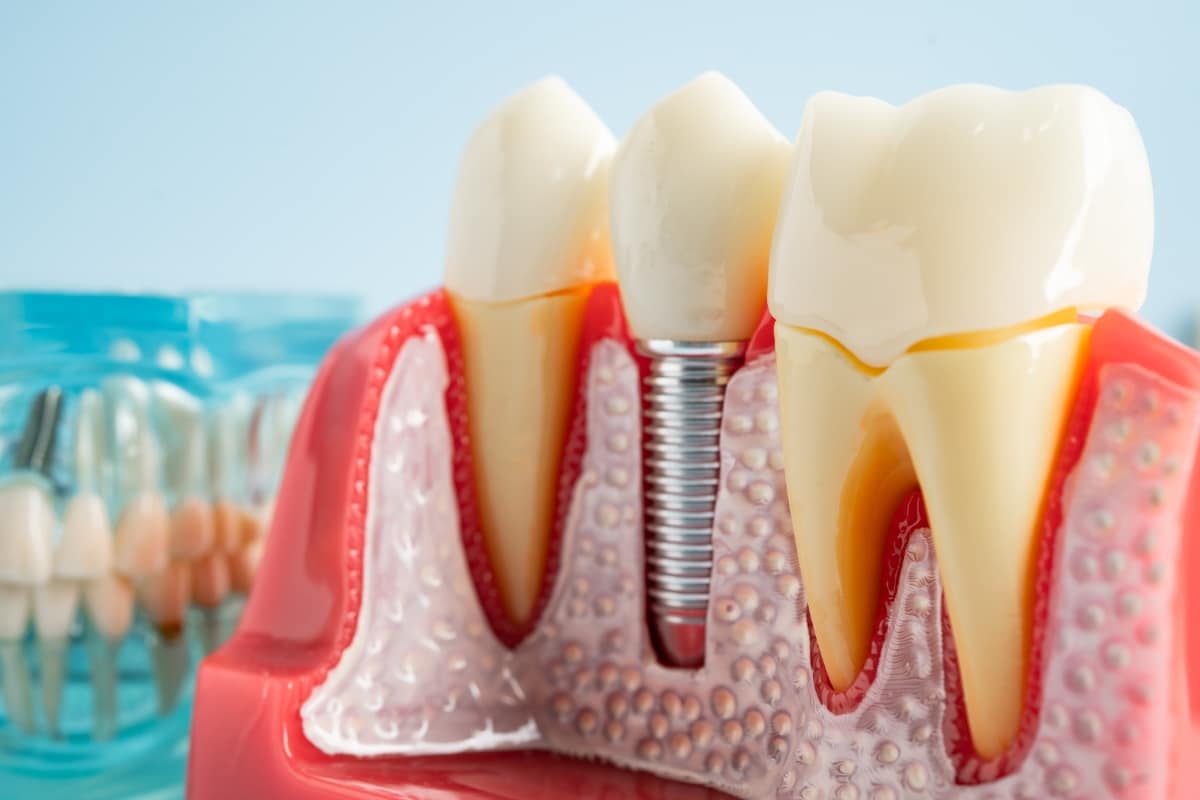
Diabetes affects millions of people worldwide, and it is among the most common chronic health conditions. For patients with edentulous teeth, dental implants offer long-term, predictable results for function and aesthetic rehabilitation.
However, healing following implants becomes complicated in diabetic patients. Uncontrolled blood glucose levels, which are common in both Type 1 and Type 2 diabetes, may impede healing and lead to complications.
This blog will focus on the effect of diabetes on implant healing and provide diabetic patients with some tips to achieve the desired result.
What is Diabetes?
Diabetes is a condition where the body cannot control blood sugar levels. There are two types of diabetes: Type 1 and Type 2. Type 1 is when the body can’t produce insulin, and Type 2 is when the body resists insulin.
Both interfere with the body’s regulation of glucose and lead to fluctuating blood sugar levels. High blood sugar’s effect is nerve and vessel-damaging and reduces circulation, and hinders tissue healing.
This can result in a range of health issues, including oral health-related ones, such as gum disease and impaired healing following dental treatment.
How Diabetes Influences Dental Implant Healing
Dental implants need to integrate well with the jawbone to thrive. Proper healing and tissue regeneration are necessary for this. If blood sugar is uncontrolled, it will not allow the body to heal as well and cause poor circulation, making the area more susceptible to infection.
In addition, diabetes affects bone health, which is required for osseointegration fusion when the implant is integrated into the jawbone. With high blood sugar levels, this integration process is more time-consuming to develop or fails to develop properly, leading to implant failure.
Diabetic patients must be meticulous in oral hygiene to prevent infections and provide the best chance for the success of dental implants in Waukegan.
Challenges Faced by Diabetic Patients with Dental Implants
Diabetic patients will experience a variety of issues related to implants. The most common of these are hindered healing, higher infection chances, and implant failure. Elevated blood sugar levels can decrease the body’s resistance to infections and make post-operative care all the more important.
Other complications, such as neuropathy, can also complicate healing, as patients cannot feel pain or discomfort in their mouths and thus receive delayed treatment for potential issues. Dental implants in Waukegan may also require closer monitoring and care in diabetic patients for these reasons.
Things to Guarantee Successful Dental Implant Healing in Diabetes
Management of blood sugar is key to successful implant healing. Normalize blood sugar. Both pre- and post-surgery, patients must maintain steady blood glucose levels so their bodies can heal in the best way possible. Obedience to post-surgery directives is necessary to prevent complications and speed up recovery.
Diabetic patients must also follow a healthy diet, including vitamin- and protein-rich foods that help regenerate tissues. Vitamin C and zinc supplements may aid in healing. Periodic dental visits, apart from patient-dentist and patient-healthcare provider interaction, will guarantee that any issues are identified early on and resolved accordingly.
Diabetic complications can happen during healing in dental implants, but strict control can still lead to successful outcomes for patients. Stable control of blood sugar, compliance with post-operative advice, and regular oral hygiene are all crucial aspects of guaranteeing implant success.
Dental implants are a permanent solution for missing teeth, including individuals who have diabetes, as long as they properly take care of the condition by collaborating with their medical providers. Control your smile, and dental implants can be your first step towards a brighter, healthier smile.
Related Articles