¡Hablamos Español!
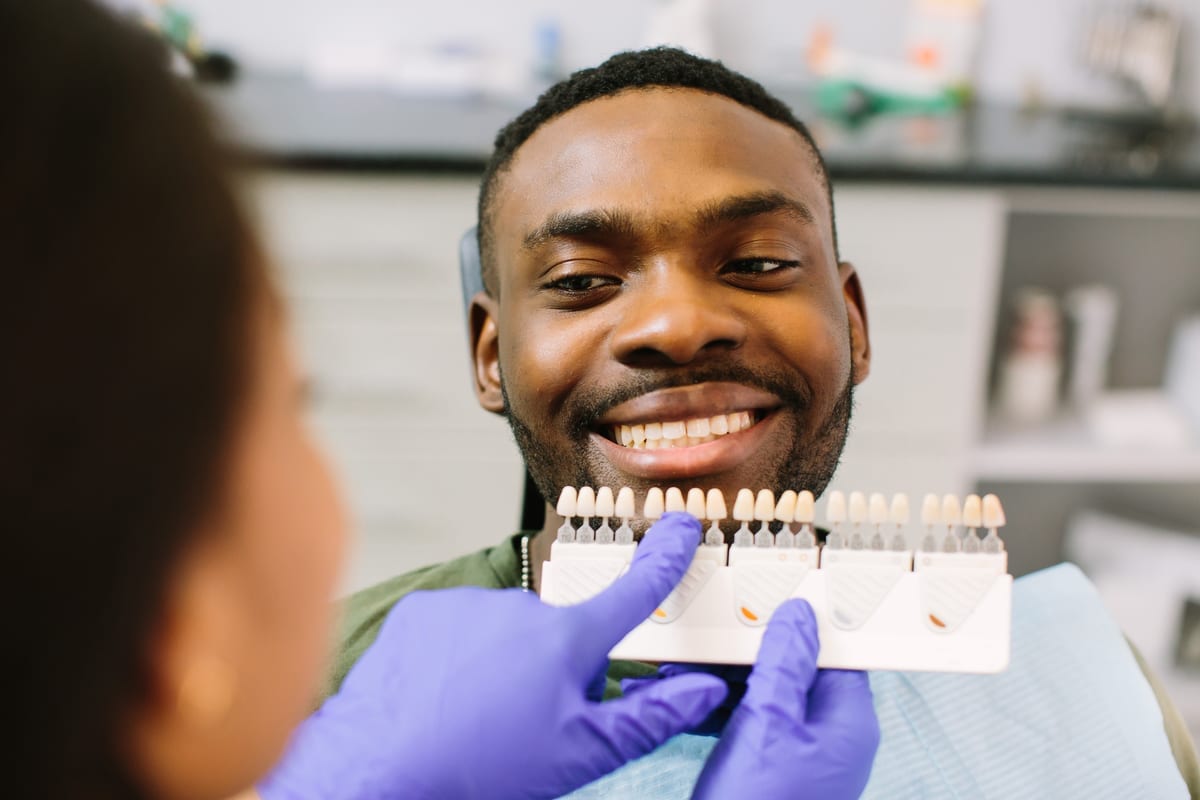
Veneers can completely transform a smile. But not everyone is ready for them right away. If you’ve been wondering whether you’re actually a good candidate for veneers, this self-screening checklist is a great starting point. Patients throughout Waukegan, IL ask Dr. Cheska Avery this question often — and the answer depends on several key factors.
This guide walks you through the most important candidacy considerations. Think of it as a personal health audit before your consultation. Understanding these factors helps you walk in informed and confident.
What Is Your Tooth Structure Like? A Key Veneer Candidacy Factor
Veneers bond directly to the front surface of your teeth. This means you need enough healthy enamel for the veneer to adhere properly. If your enamel is severely worn or eroded, bonding may not hold well long-term.
Your teeth also need to be structurally sound. Teeth with large cavities or significant decay are not ideal candidates until those issues are treated. Dental Fillings may be necessary to restore a tooth before veneer placement is considered.
Veneers work best on teeth that are mostly intact. Minor chips, cracks, or discoloration are exactly what veneers are designed to address. However, severely broken-down teeth may need a crown instead.
Here is a quick self-check for tooth structure readiness:
- Your teeth have no active decay or untreated cavities
- You have adequate enamel thickness on the front surfaces
- Your teeth are not severely worn from grinding
- No significant structural damage requiring a full crown
Is Your Gum Health Strong Enough for Veneers in Waukegan?
Healthy gums are a non-negotiable foundation for veneers. Inflamed or receding gums can compromise the appearance and longevity of your new smile. Veneer edges sit at or near the gumline, so gum stability matters greatly.
Gum disease — even in its early stages — must be addressed before any cosmetic work begins. Bleeding, swelling, or gum recession are red flags that need professional evaluation first. Ignoring gum issues before getting veneers can lead to visible gaps and future complications.
Preventive care plays a major role in maintaining gum health. Routine cleanings and treatments like Dental Sealants help protect your overall oral environment. A stable, healthy mouth is the best canvas for cosmetic work.
Ask yourself these gum health questions before screening yourself as a candidate:
- Do your gums bleed when you brush or floss?
- Have you noticed your gums pulling away from your teeth?
- Do you have a history of periodontal disease?
- Are you consistent with professional cleanings every six months?
How Does Your Bite Affect Veneer Candidacy?
Your bite — the way your upper and lower teeth come together — plays a critical role. A misaligned bite can place excessive pressure on veneers. That pressure can crack or dislodge them over time.
Deep overbites are one of the most common bite concerns with veneers. If your lower teeth bite into the backs of your upper teeth, veneers on the upper front teeth may chip quickly. Bite issues like this often need to be corrected before or alongside veneer placement.
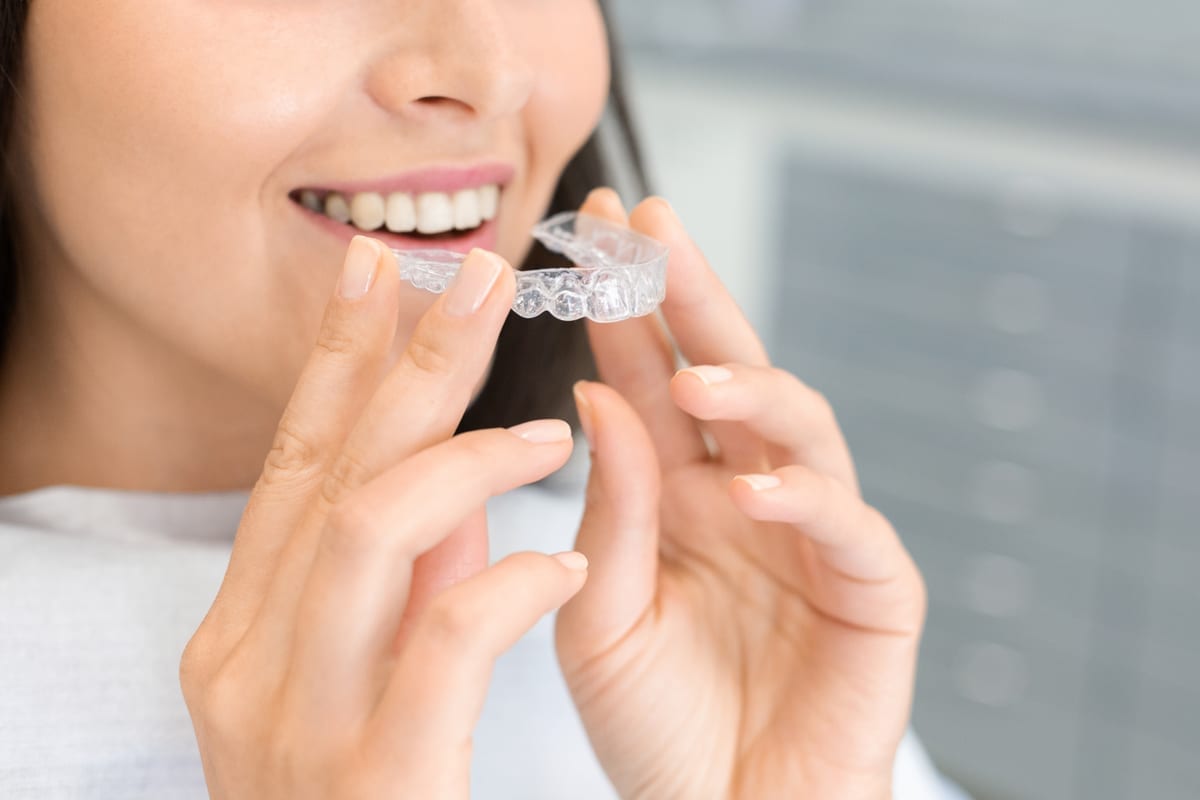
Some patients benefit from Invisalign treatment before getting veneers. Straightening the teeth first creates a more stable bite environment. Dr. Avery evaluates bite mechanics carefully during veneer consultations at Avery Family Dentistry in Waukegan.
Even subtle bite imbalances can affect results. That is why a thorough bite assessment is always part of the candidacy process. Your comfort and long-term outcome depend on it.
Which Habits Could Disqualify You — Or Be Corrected First?
Certain lifestyle habits can impact whether veneers are right for you now. Bruxism — teeth grinding or clenching — is one of the biggest concerns. The forces from grinding can fracture porcelain veneers, sometimes within the first year.
If you grind your teeth, that does not necessarily mean veneers are off the table. Many patients wear a custom nightguard to protect their investment. Managing bruxism before or alongside veneer placement is a realistic and common solution.
Other habits worth evaluating include nail biting, chewing on ice, and using your teeth as tools. These behaviors stress veneer materials unnecessarily. Committing to breaking these habits will protect your results long-term.
Tobacco use is another factor to consider honestly. Smoking can stain the bonding resin around veneers over time. It also increases the risk of gum disease, which undermines the foundation of your cosmetic work.
Are Veneers Right for Your Goals and Expectations?
Candidacy is not just physical — it is also about your goals. Veneers are ideal for addressing discoloration, minor chips, small gaps, and slightly misshapen teeth. They are not designed to replace missing teeth or fix major alignment problems.
Realistic expectations make for the best outcomes. Veneers can create a dramatically improved smile, but they work within the limits of your natural anatomy. Understanding what veneers can and cannot do helps you make a truly informed choice.
The consultation with Dr. Cheska Avery is the most important step in determining candidacy. She will review your dental history, take X-rays, and evaluate your gum health and bite. This full picture ensures your treatment plan is safe, personalized, and built to last.
If some areas need improvement before you qualify, that is not discouraging news. It means your Waukegan dental team is setting you up for the best possible long-term result. Many patients complete preparatory care and move forward successfully.
Conclusion: Take the Next Step Toward Your Smile
Going through this self-screening checklist is a smart first move. It helps you arrive at your consultation with clarity and the right questions. Veneer candidacy involves tooth structure, gum health, bite stability, personal habits, and realistic goals.
Dr. Cheska Avery and the team at Avery Family Dentistry in Waukegan are here to guide you through every step. You deserve a beautiful, healthy smile — and a clear plan to get there. Book Now to schedule your appointment with our team.
Frequently Asked Questions
How do I know if I have enough enamel for veneers?
A dentist will evaluate your enamel thickness during a clinical exam and X-rays. If enamel loss is significant, other restorative options may be recommended instead. The best way to find out is through a professional consultation.
Can I get veneers if I have gum disease?
Not immediately. Active gum disease must be treated and stabilized before any cosmetic procedure. Once your gum health is restored, you may become a strong candidate for veneers.
Will veneers work if I grind my teeth at night?
Teeth grinding does not automatically disqualify you. Many patients manage bruxism with a custom nightguard and go on to get veneers successfully. Dr. Avery will discuss protective options during your evaluation.
How long do dental veneers typically last?
Porcelain veneers typically last 10 to 15 years with proper care. Good oral hygiene, regular checkups, and avoiding damaging habits all help extend their lifespan. Composite veneers tend to have a shorter lifespan than porcelain.
Is a bite evaluation always part of a veneer consultation?
Yes. A bite assessment is a standard part of any thorough veneer consultation. Undetected bite issues are one of the leading causes of early veneer failure, so evaluating this is essential before treatment begins.