When Does Thumb Sucking Become a Dental Problem for Kids

Many parents in Waukegan watch their toddler suck a thumb or pacifier and wonder if it will cause lasting harm. The truth is, not every habit leads to a dental problem. Understanding when does thumb sucking become a dental problem for kids in Waukegan can help you respond calmly and early. Dr. Cheska Avery at Avery Family Dentistry is here to guide you through what’s normal, what’s concerning, and what actually helps.
Is Thumb Sucking Normal in Young Children?
Yes — thumb sucking and pacifier use are completely normal for infants and young toddlers. These habits provide comfort and a sense of security. Many babies begin sucking habits even before birth. There is no cause for alarm during these early years.
Most children naturally stop sucking their thumb between ages two and four. Their growing independence and social awareness often make the habit less appealing. Pediatric dental guidelines generally agree that habits before age four rarely cause lasting dental problems. The key word here is before age four.
The intensity of the habit also matters. A child who gently rests a thumb in their mouth causes far less pressure than one who aggressively sucks. Passive habits are much less likely to shift teeth or affect jaw development. Active, forceful sucking is what dentists watch most carefully.
When Does Thumb Sucking Become a Dental Problem for Kids in Waukegan?
The concern begins when the habit continues past age four or five. By this age, permanent teeth are beginning to form beneath the gumline. Ongoing pressure from thumb sucking can start to redirect how those teeth erupt. This is when parents and dentists should pay closer attention.
Prolonged thumb sucking can lead to several dental issues:
- Open bite — front teeth that do not close together properly
- Overjet — upper front teeth that protrude outward
- Narrowing of the upper jaw — which can affect bite alignment
- Speech problems — caused by changes in tongue position and tooth spacing
- Crossbite — where upper and lower teeth do not align correctly
These changes are not inevitable, but the risk grows the longer the habit continues. Children who still suck aggressively when permanent teeth begin to appear face the highest risk. Early check-ups allow Dr. Avery to monitor any developing concerns before they become serious problems.
Pacifier Use: How Does It Compare to Thumb Sucking?
Pacifiers and thumb sucking carry similar dental risks when used long-term. However, pacifiers do offer one advantage — parents can control when and how the child uses them. Weaning a child off a pacifier is often easier than stopping thumb sucking. You can limit pacifier use to nap and bedtime, then gradually phase it out.
Dental experts generally recommend phasing out pacifiers by age two to three. Like thumb sucking, prolonged pacifier use past age four can affect tooth and jaw development. The same dental problems — open bite, overjet, and jaw narrowing — can result from extended pacifier dependence. The earlier you act, the easier the transition tends to be.
If your child uses a pacifier, never dip it in sugar, honey, or juice. This dramatically increases the risk of early childhood tooth decay. Regular Dental Cleanings Waukegan families trust at Avery Family Dentistry can help keep little smiles healthy during these early years.
How to Help Your Child Stop Without Conflict
The worst approach is scolding or forcing a child to stop. These responses often increase anxiety and make the habit worse. Instead, focus on positive reinforcement and gentle strategies. A calm, supportive approach gets far better results.
Here are practical, dentist-recommended strategies to help your child stop thumb sucking:
- Praise effort — reward your child when they avoid the habit, especially during stressful moments
- Identify triggers — many children suck their thumb when tired, bored, or anxious; address the root cause
- Use a chart system — a sticker chart with small rewards builds motivation over days and weeks
- Offer a comfort alternative — a stuffed animal or blanket can replace the habit during sleep
- Talk about it simply — explain in age-appropriate terms why the habit can affect their smile
- Try a thumb guard — a gentle reminder device worn on the thumb can break the automatic reflex
If these steps don’t work, Dr. Avery can discuss additional options. Dental appliances called habit-breaking devices can be placed in the mouth to discourage sucking. These are gentle, not punitive, and work well for older children with persistent habits. A consultation at our Waukegan office can help you choose the right path for your child.
What to Expect at a Pediatric Dental Visit in Waukegan
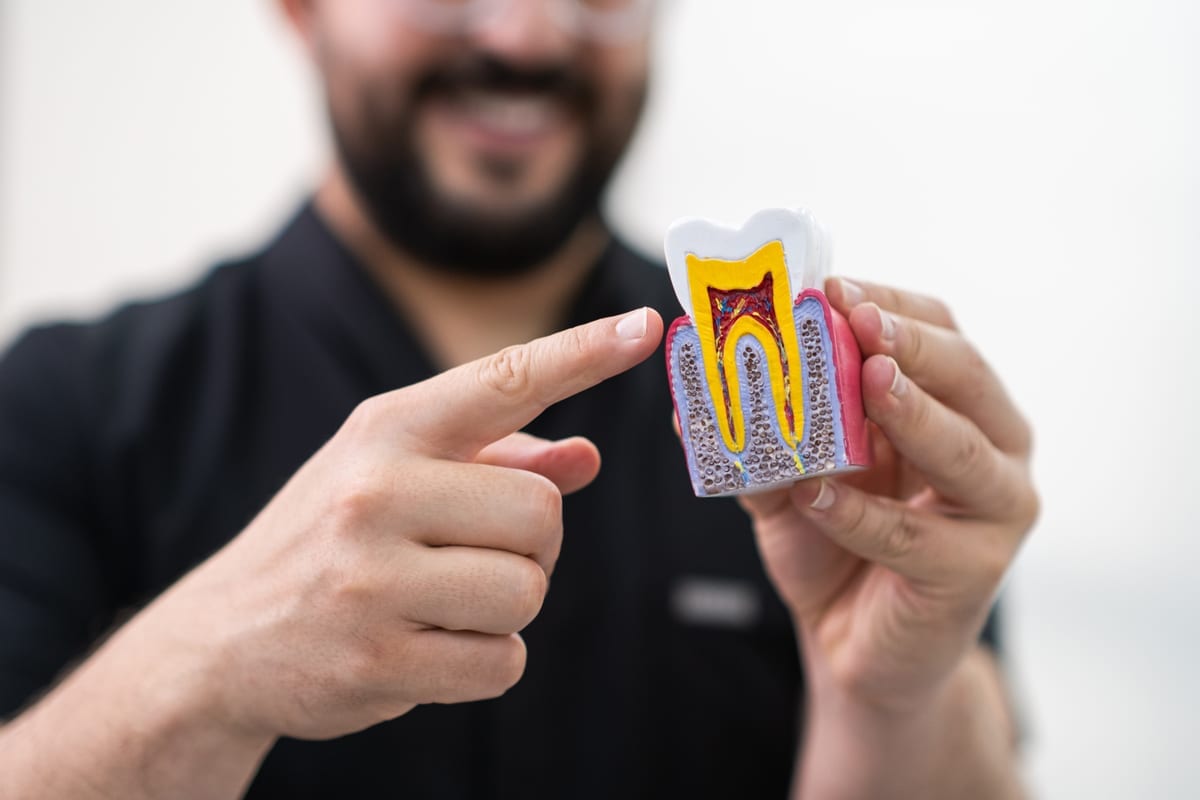
Bringing your child to Avery Family Dentistry early makes a real difference. Dr. Cheska Avery checks for early signs of bite changes, tooth shifting, and jaw development concerns. She can show you exactly what is happening with your child’s teeth using easy-to-understand explanations. Knowing the facts helps parents make confident decisions.
During your child’s visit, we also assess the overall health of their primary teeth. We may recommend Dental Sealants Waukegan parents choose to protect their children’s molars from early decay. Preventive care is always the most affordable and least stressful path forward. Starting young sets the foundation for a lifetime of healthy smiles.
We recommend children visit the dentist by their first birthday or when the first tooth appears. After that, twice-yearly visits help us monitor growth and catch habits before they cause permanent changes. Waukegan families can count on our friendly team to make every visit comfortable and informative. We treat every child with the patience and care they deserve.
Conclusion: Early Action Protects Your Child’s Smile
Thumb sucking and pacifier use are natural parts of childhood. Most children outgrow these habits on their own without any lasting dental effects. But when the habit continues past age four or five, it is time to pay close attention and take gentle action. Knowing when does thumb sucking become a dental problem for kids in Waukegan gives you the power to act early and confidently.
Dr. Cheska Avery and the team at Avery Family Dentistry are here to support your child through every stage of dental development. We provide compassionate, judgment-free care for families throughout Waukegan, IL. You do not have to navigate these concerns alone. Book Now to schedule your appointment with our team.
Frequently Asked Questions
At what age should I be concerned about my child’s thumb sucking?
Most children stop naturally between ages two and four. You should speak with a dentist if the habit continues past age four, especially if it is intense or frequent. By age five, ongoing sucking can begin to affect permanent tooth development and jaw alignment.
Can thumb sucking permanently damage my child’s teeth?
It depends on the duration and intensity of the habit. Short-term, gentle habits rarely cause permanent damage. Prolonged, aggressive thumb sucking past age five — when permanent teeth are emerging — can lead to lasting changes like open bite or protruding front teeth. Early intervention greatly reduces this risk.
Is a pacifier better for dental health than thumb sucking?
In some ways, yes. A pacifier is easier to control and phase out because parents decide when it is available. However, both carry similar dental risks when used past age three or four. Talk to Dr. Avery about the best weaning strategy for your child’s specific situation.
What can a dentist do to help my child stop thumb sucking?
Dr. Avery can monitor your child’s tooth and jaw development to determine if the habit is causing changes. If needed, she can recommend a dental habit-breaking appliance that gently discourages sucking without discomfort. She also provides coaching for parents on positive reinforcement techniques that work at home.
How often should my child visit the dentist if they suck their thumb?
Twice-yearly dental visits are recommended for all children. If your child has an active thumb sucking habit past age four, Dr. Avery may suggest more frequent monitoring visits. This allows our team to track any bite or jaw changes and act before they become more difficult to correct.