¡Hablamos Español!

Teeth whitening is one of the most popular cosmetic treatments available today. But will teeth whitening work for you? Find out now — Waukegan patients ask Dr. Cheska Avery this question all the time. The honest answer is: it depends. Not everyone sees the same results, and understanding why can save you time, money, and disappointment.
This guide helps you self-screen before booking a whitening treatment. You’ll learn which stain types respond well, which don’t, and what factors affect your outcome. At Avery Family Dentistry, we believe informed patients make better decisions.
Who Gets the Best Results from Teeth Whitening in Waukegan?
Whitening works best on extrinsic stains — discoloration that lives on the outer surface of your enamel. These stains come from everyday habits and foods. They respond well to both in-office and take-home whitening treatments.
You’re likely a great candidate if your stains come from:
- Coffee, tea, or red wine
- Tobacco use
- Dark-colored foods like berries or tomato sauce
- General surface buildup over time
Your enamel health also matters. Strong, intact enamel reflects whitening agents more effectively. Patients with naturally yellowish teeth tend to see dramatic improvements. Grayish tones are harder to lift but can still improve with professional treatment.
Before any whitening, a healthy mouth is essential. We recommend Dental Cleanings Waukegan before starting whitening. Plaque and tartar block whitening agents from contacting enamel evenly. A clean surface gives you a much better result.
Who May Not See Great Results — And Why
Not all stains respond to whitening. Understanding the difference between extrinsic and intrinsic stains is critical. Intrinsic stains live inside the tooth structure itself. Whitening agents can’t reach them the same way.
Common causes of intrinsic staining include:
- Tetracycline antibiotic use during childhood
- Excess fluoride exposure during tooth development (fluorosis)
- Trauma to the tooth that caused internal bleeding
- Aging, which naturally darkens dentin beneath enamel
Tetracycline staining is especially resistant. It creates deep gray or brown banding inside the tooth. Prolonged professional whitening may help slightly, but results are often limited. In these cases, Dr. Avery may recommend alternative cosmetic options.
Fluorosis creates white spots or streaks on enamel. Whitening can sometimes make these spots more noticeable. A consultation helps you understand what to expect before committing to treatment.
Will Whitening Work on Crowns, Veneers, or Fillings?
This is one of the most important things Waukegan patients need to know. Whitening agents do not change the color of dental restorations. That includes crowns, veneers, bonding, and tooth-colored fillings. These materials are made to resist staining — and also resist whitening.
If you whiten your natural teeth but have visible restorations, you may notice a mismatch. Your teeth could end up lighter than your crowns or fillings. This creates an uneven appearance that may require additional cosmetic work to correct.
The best approach is to plan carefully. If you need new restorations, whiten first. Then match your new crown or veneer to your post-whitening shade. Dr. Avery walks every patient through this process during a consultation at Avery Family Dentistry.
Protecting your child’s teeth early also supports long-term smile health. Ask us about Dental Sealants Waukegan if you’re thinking about preventive care for your family.
Medication-Induced Staining and Other Special Cases
Some medications cause tooth discoloration as a side effect. Tetracycline is the most well-known example. But other drugs can also affect tooth color over time. Antihistamines, antipsychotics, and blood pressure medications have all been linked to staining.
If your staining came from medication, whitening may produce only modest results. That doesn’t mean you have no options. Professional whitening can still provide improvement in many cases. The key is setting realistic expectations.
Other special cases to discuss with Dr. Avery include:
- Sensitivity issues — highly sensitive teeth may not tolerate standard whitening gels
- Gum recession — exposed root surfaces don’t whiten the same as enamel
- Active cavities or gum disease — these must be treated before whitening begins
- Pregnancy — whitening is generally postponed until after delivery
Every patient is different. A personalized consultation at Avery Family Dentistry helps identify which factors apply to you. Dr. Avery takes time to review your dental history before recommending any whitening option.
Professional vs. Store-Bought: What Actually Works Better?
Over-the-counter whitening products are widely available. Strips, trays, and whitening toothpastes line pharmacy shelves. They work — but with significant limitations. The bleaching concentration in store products is much lower than professional-grade solutions.
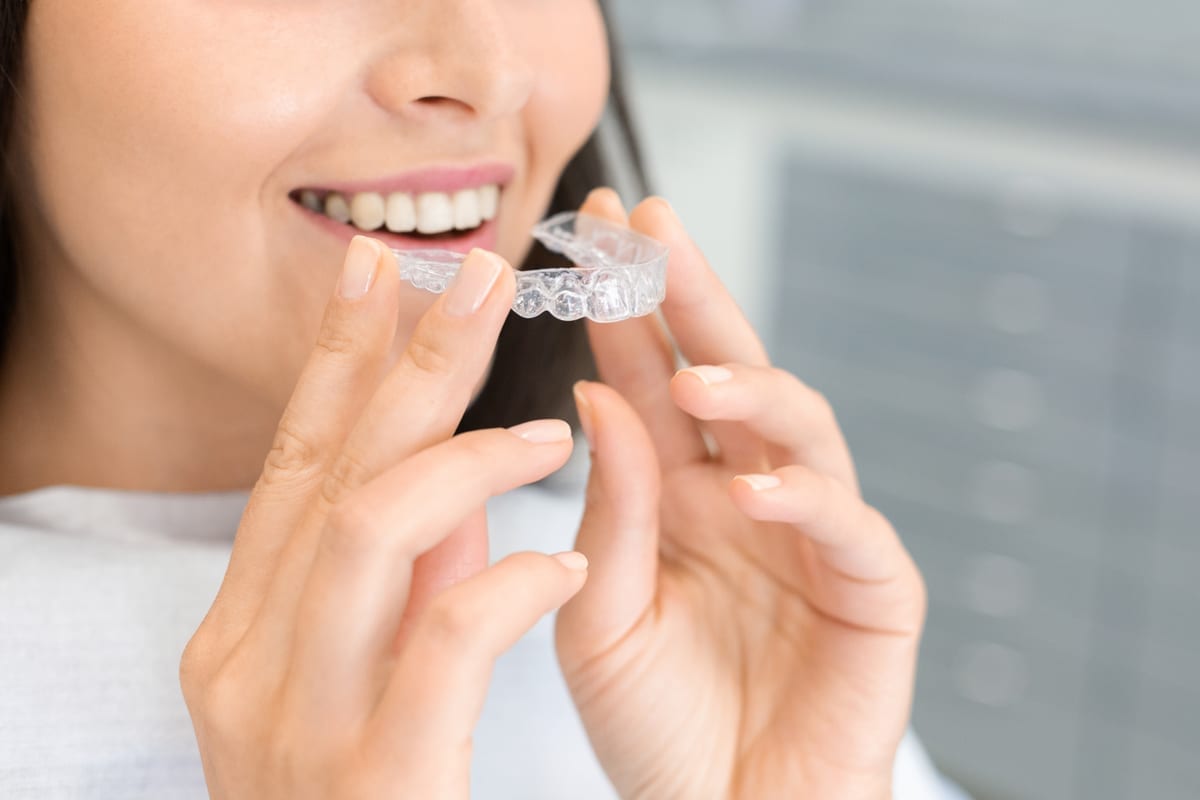
Professional whitening at Avery Family Dentistry uses higher-concentration gels. Results are faster, more even, and longer-lasting. Custom-fitted trays also ensure the gel contacts every surface uniformly. Store trays often fit poorly and lead to uneven whitening or gum irritation.
In-office whitening is ideal if you want quick, dramatic results. Take-home professional kits work well for gradual improvement and maintenance. Dr. Avery helps you choose the right format based on your goals and lifestyle in Waukegan.
Ready to Find Out If Whitening Is Right for You?
Teeth whitening can be a game-changer — but only when it’s the right fit. Understanding your stain type, existing restorations, and tooth health makes all the difference. At Avery Family Dentistry, we take a thorough, honest approach to every whitening consultation.
Dr. Cheska Avery is committed to helping Waukegan patients achieve confident, healthy smiles. We won’t recommend whitening if another solution suits you better. Our goal is your long-term satisfaction, not a quick fix.
You deserve to know exactly what to expect before you start. Book Now to schedule your appointment with our team.
Frequently Asked Questions
How do I know if my stains are extrinsic or intrinsic?
Extrinsic stains sit on the enamel surface and usually come from food, drinks, or tobacco. Intrinsic stains are inside the tooth and often appear gray, brown, or banded. A dentist can tell the difference during a visual exam. Dr. Avery will assess your stains and explain which type you have at your consultation.
Can I whiten my teeth if I have crowns or veneers?
Whitening agents don’t change the color of crowns, veneers, or fillings. If you whiten natural teeth around existing restorations, a color mismatch may result. It’s best to plan whitening before getting new restorations so your dentist can match them to your whitened shade.
Is professional whitening safe for sensitive teeth?
Many patients with sensitivity can still whiten safely with the right precautions. Dr. Avery may recommend a lower-concentration gel or a desensitizing protocol. We monitor your comfort throughout the process and adjust as needed to minimize discomfort.
How long do teeth whitening results last?
Results typically last anywhere from six months to two years depending on your habits. Coffee, tea, red wine, and tobacco can shorten the duration of your results. Touch-up treatments and good oral hygiene help maintain your brighter smile longer.
Will whitening work on teeth stained by tetracycline antibiotics?
Tetracycline staining is one of the most resistant types to whitening treatment. Results are often limited because the discoloration is deep within the tooth structure. In these cases, cosmetic options like veneers may provide a more effective and satisfying outcome. Dr. Avery will discuss all your options honestly during your consultation.