¡Hablamos Español!
If your dentist has suggested coming in every three months instead of twice a year, you might feel confused — or even a little worried. You are not alone. Many patients in Gurnee ask why your dentist might recommend cleanings every 3 months, and the answer comes down to your unique oral health profile. At Avery Family Dentistry, Dr. Cheska Avery takes a personalized approach to every patient’s care. Understanding the reasoning behind more frequent visits can ease your concerns and help you make informed decisions.
What Are Dental Cleanings and Why Do They Matter?
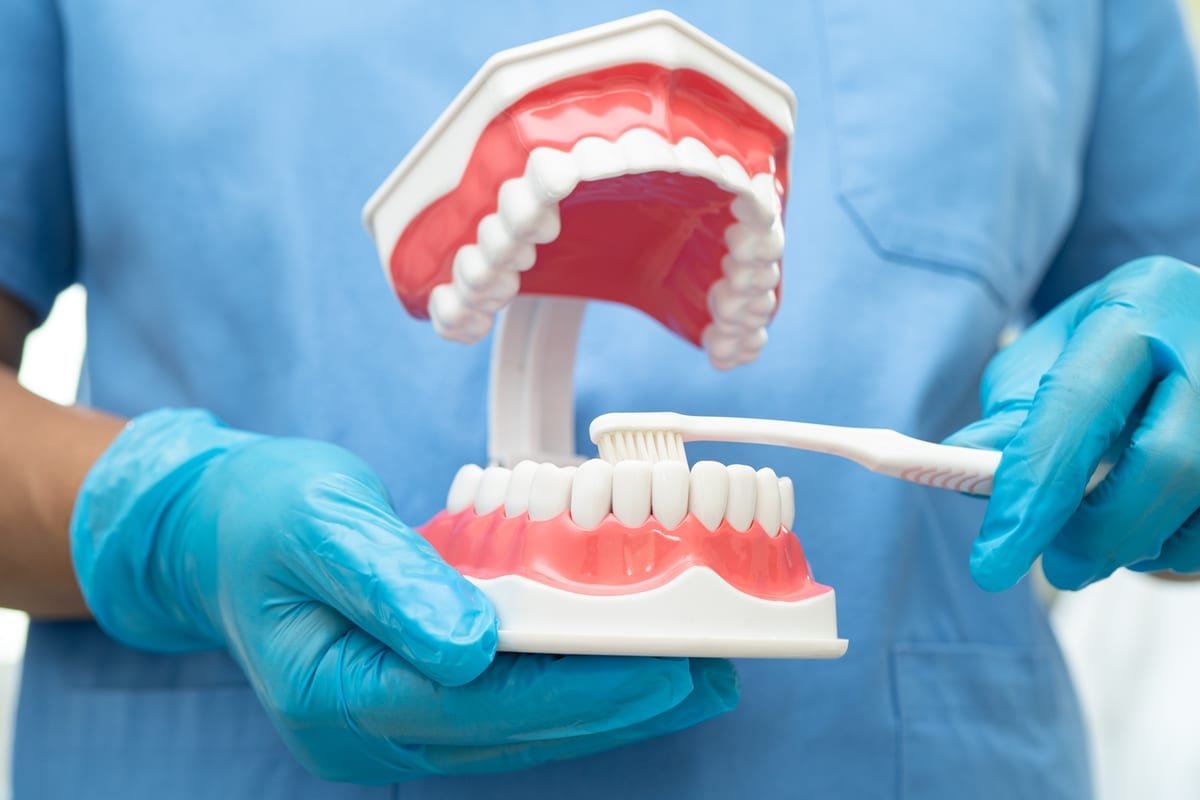
Dental Cleanings are professional treatments that remove plaque, tartar, and bacteria from your teeth and gumline. Even with excellent brushing and flossing at home, some buildup simply cannot be removed without professional tools. Over time, that buildup hardens into tartar, which leads to gum disease and decay. Regular cleanings are one of the most effective ways to protect your long-term oral health.
Most healthy adults do well with two cleanings per year. However, some patients genuinely benefit from more frequent care. The standard six-month schedule is a guideline — not a one-size-fits-all rule. Your dentist evaluates several individual factors before making any recommendation.
Why Your Dentist Might Recommend Cleanings Every 3 Months in Gurnee
Certain health conditions and lifestyle factors cause plaque and tartar to accumulate faster than average. When that happens, a six-month gap between cleanings gives harmful bacteria too much time to damage your gums and teeth. A three- to four-month schedule keeps those bacteria in check more effectively. Dr. Avery identifies these risk factors during your comprehensive exam.
Here are the most common reasons a dentist may recommend more frequent cleanings:
- Active gum disease (periodontitis): Patients managing periodontitis need more frequent care to prevent progression.
- History of gum disease: Even after treatment, gum disease can return without close monitoring.
- Diabetes: High blood sugar promotes bacterial growth and slows healing in gum tissue.
- Dry mouth (xerostomia): Saliva protects teeth naturally. Without enough of it, decay accelerates.
- Smoking or tobacco use: Tobacco dramatically increases tartar buildup and gum disease risk.
- Weakened immune system: Certain medications or conditions reduce your body’s ability to fight oral infections.
- Pregnancy: Hormonal changes can cause gum sensitivity and increased inflammation.
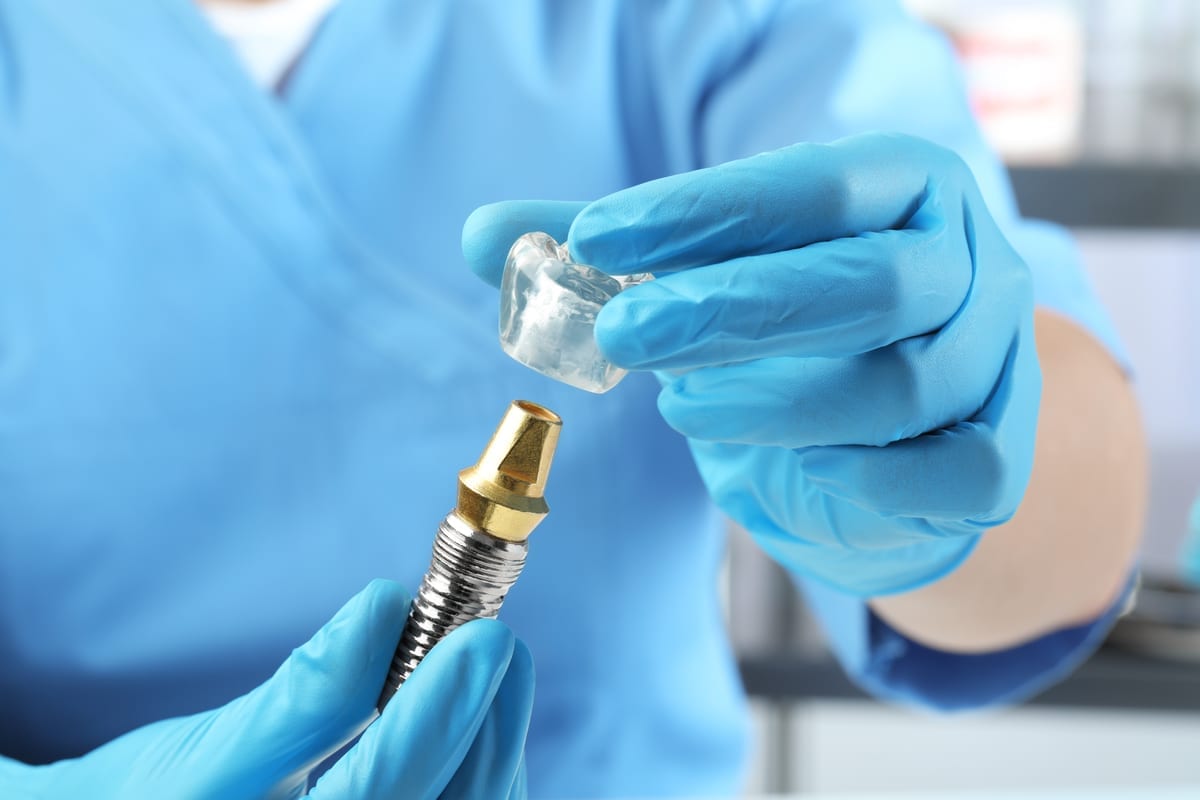
- Dental implants or crowns: These restorations need monitoring to ensure surrounding tissue stays healthy.
If you fall into one or more of these categories, more frequent visits are a proactive — not reactive — measure. Think of it as a targeted strategy to stay ahead of potential problems.
How Your Dentist Determines the Right Cleaning Interval for You
Dr. Avery does not recommend a three-month schedule arbitrarily. She conducts a thorough evaluation that includes probing depths, X-rays, and a review of your health history. Probing measures the space between your gums and teeth. Deeper pockets often signal active disease or heightened risk.
Your personal habits matter too. Diet, hydration, and oral hygiene routines all influence how quickly plaque develops. Patients who smoke or consume sugary beverages frequently tend to accumulate buildup faster. A detailed conversation about your lifestyle helps Dr. Avery set the most appropriate interval for your needs.
Over time, your cleaning schedule can change. If your gum health improves significantly, you may return to a six-month schedule. Conversely, if new risk factors emerge, more frequent visits may become necessary. Your plan evolves with your oral health — not the other way around.
What to Expect During a Three-Month Cleaning Appointment
A more frequent cleaning appointment follows the same general process as a standard visit. However, the focus is often more targeted. Here is what a typical appointment at Avery Family Dentistry might include:
- Health history review: We check for any changes to your medical history or medications since your last visit.
- Periodontal assessment: We measure gum pocket depths and check for signs of inflammation or bleeding.
- Scaling and cleaning: Our hygienist removes plaque and tartar from above and below the gumline.
- Polishing: Your teeth are polished to remove surface stains and smooth the enamel.
- Fluoride treatment: Depending on your risk level, we may apply fluoride to strengthen enamel.
- Progress evaluation: Dr. Avery reviews your gum health trends and adjusts your care plan if needed.
These appointments are typically shorter than a comprehensive new-patient exam. Many patients find them easy to fit into a busy schedule. Consistency is the key — skipping a three-month appointment can undo months of progress.
Protecting Children and the Whole Family in Gurnee
Frequent cleanings are not just an adult concern. Children with certain risk factors may also need more regular professional care. Kids who consume sugary snacks frequently, breathe through their mouths, or have deep grooves in their molars are more prone to cavities. We may recommend Dental Sealants alongside more frequent cleanings to protect those vulnerable surfaces.
Dr. Avery’s team provides compassionate pediatric care alongside treatment for adults. Families in Gurnee and surrounding areas can receive coordinated care under one roof. Building healthy habits early sets children up for a lifetime of strong oral health.
Benefits of Staying on a More Frequent Cleaning Schedule
Committing to a three-month cleaning schedule offers real, measurable advantages for patients who need it. Here is a quick summary of what consistent care can do for you:
- Reduces active gum inflammation more effectively than twice-yearly cleanings
- Catches early signs of decay or disease before they become serious
- Lowers the risk of tooth loss associated with advanced gum disease
- Helps manage systemic conditions like diabetes that are linked to oral health
- Provides more touchpoints for Dr. Avery to monitor your progress closely
- Saves time and costs in the long run by avoiding complex treatments
For many patients, a more frequent schedule is not a burden — it is a relief. Knowing your teeth are professionally maintained four times a year provides genuine peace of mind.
Conclusion: Your Cleaning Schedule Should Match Your Health Needs
There is no universal answer to how often you should get your teeth cleaned. Your cleaning frequency depends on your gum health, medical history, lifestyle habits, and personal risk factors. If Dr. Avery recommends cleanings every three months, it is because she has assessed your full picture and determined that more consistent care will protect your smile. Patients in Gurnee and throughout the Lake County area trust Avery Family Dentistry for honest, individualized guidance. Book Now to schedule your appointment with our team.
Frequently Asked Questions
Is it normal to need dental cleanings every 3 months?
Yes, it is completely normal for some patients. People with gum disease, diabetes, dry mouth, or a history of heavy tartar buildup often benefit from cleanings every three to four months. This schedule helps control bacteria more effectively than the standard six-month interval.
Will I always need to come in every 3 months?
Not necessarily. Your cleaning frequency can change over time based on how your oral health responds to treatment. If your gum health stabilizes and your risk factors decrease, Dr. Avery may transition you back to a six-month schedule. Regular reassessment ensures your plan stays appropriate.
Does a 3-month cleaning hurt more than a regular cleaning?
Generally, no. Because you are coming in more frequently, less tartar accumulates between visits. That often makes each appointment faster and more comfortable. Patients with sensitive gums may experience mild sensitivity, but this typically decreases as gum health improves.
Can children need more frequent cleanings too?
Yes. Children who are at higher risk for cavities — due to diet, mouth breathing, or deep molar grooves — may benefit from more frequent professional care. Dr. Avery evaluates each child’s needs individually and may recommend additional protective treatments like dental sealants.
How do I know if I need cleanings every 3 months?
The best way to find out is through a comprehensive dental exam. Dr. Cheska Avery reviews your gum pocket depths, X-rays, and health history to determine the most appropriate cleaning schedule for you. If you have been told you have gum disease or are managing a condition like diabetes, bring that up at your next appointment.